Capture notes and processing reflections: what I pointed at, how the night went, and what I learned when the data came home.
31 October 2026 Image notes
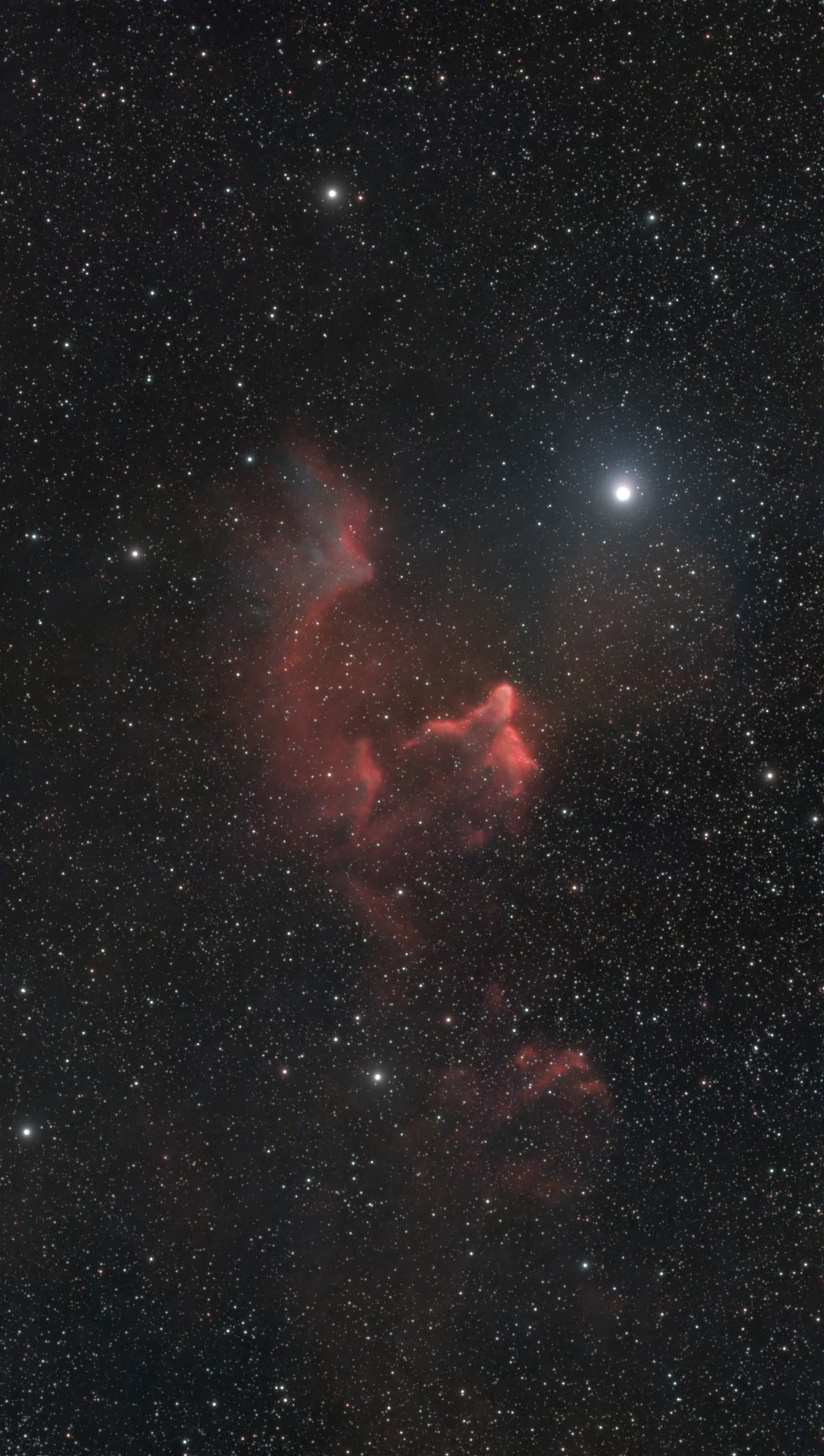
IC 63, the Ghost of Cassiopeia
IC 63 is a faint nebula in the rich star fields of Cassiopeia. It is both an emission and reflection nebula: hydrogen-alpha gives it a red glow, while surrounding dust reflects light from a nearby star. This image brings together 1,419 60-second exposures—23 hours and 39 minutes of integration, captured with the Seestar S30 Pro in EQ mode. I shared it on my other social accounts on Halloween, which felt like a fitting day for the Ghost of Cassiopeia.
I’ve included three views of the same data in the Gallery: a closer composition first, an alternate color treatment, and a wider view to show the surrounding field. The stack was assembled in StackingWizard and processed in AstroWizard, with the goal of drawing out the nebula while keeping the surrounding stars natural.
IC 63 · Seestar S30 Pro · EQ mode · 1,419 × 60s · 23h 39m · StackingWizard + AstroWizard
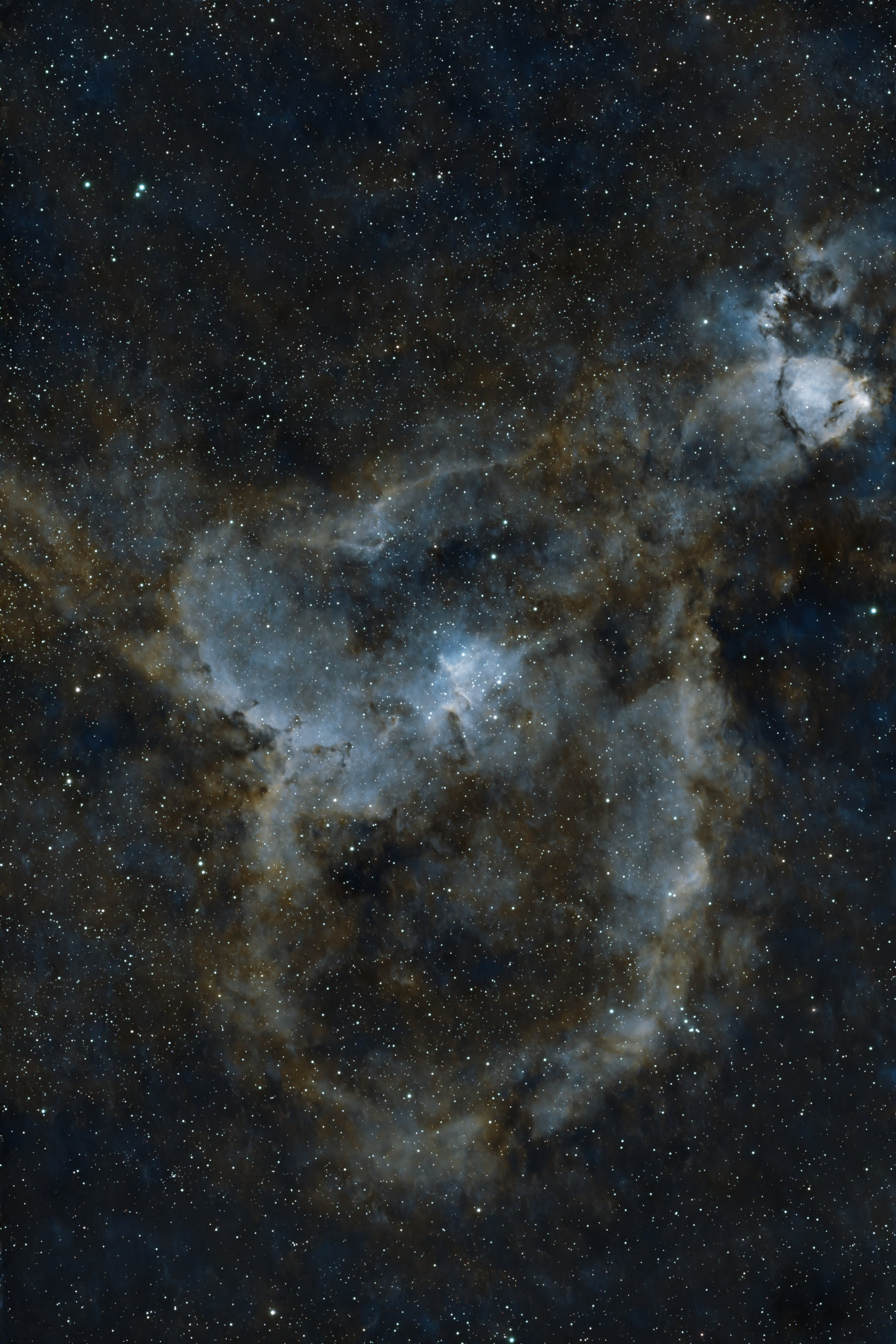
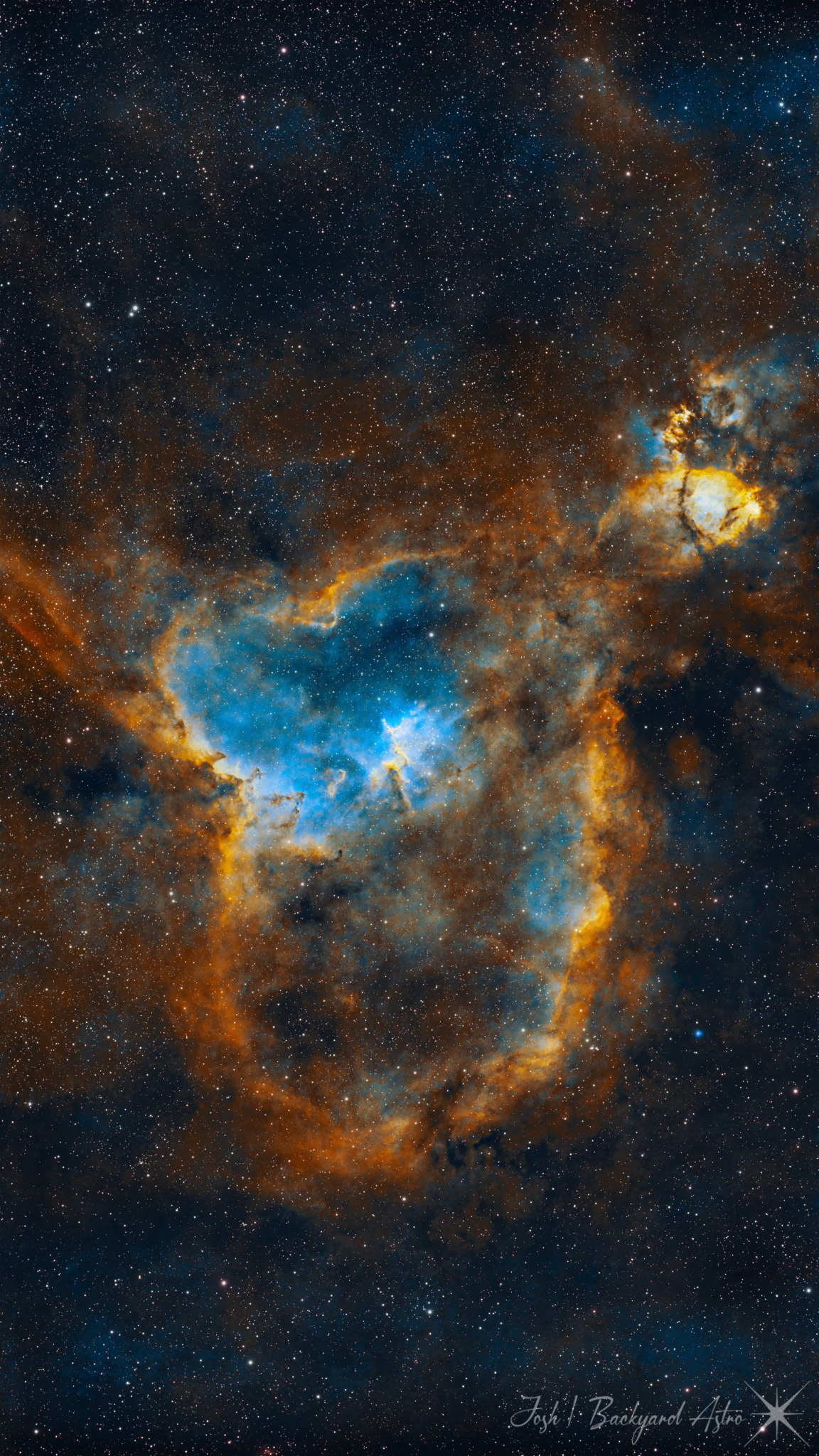
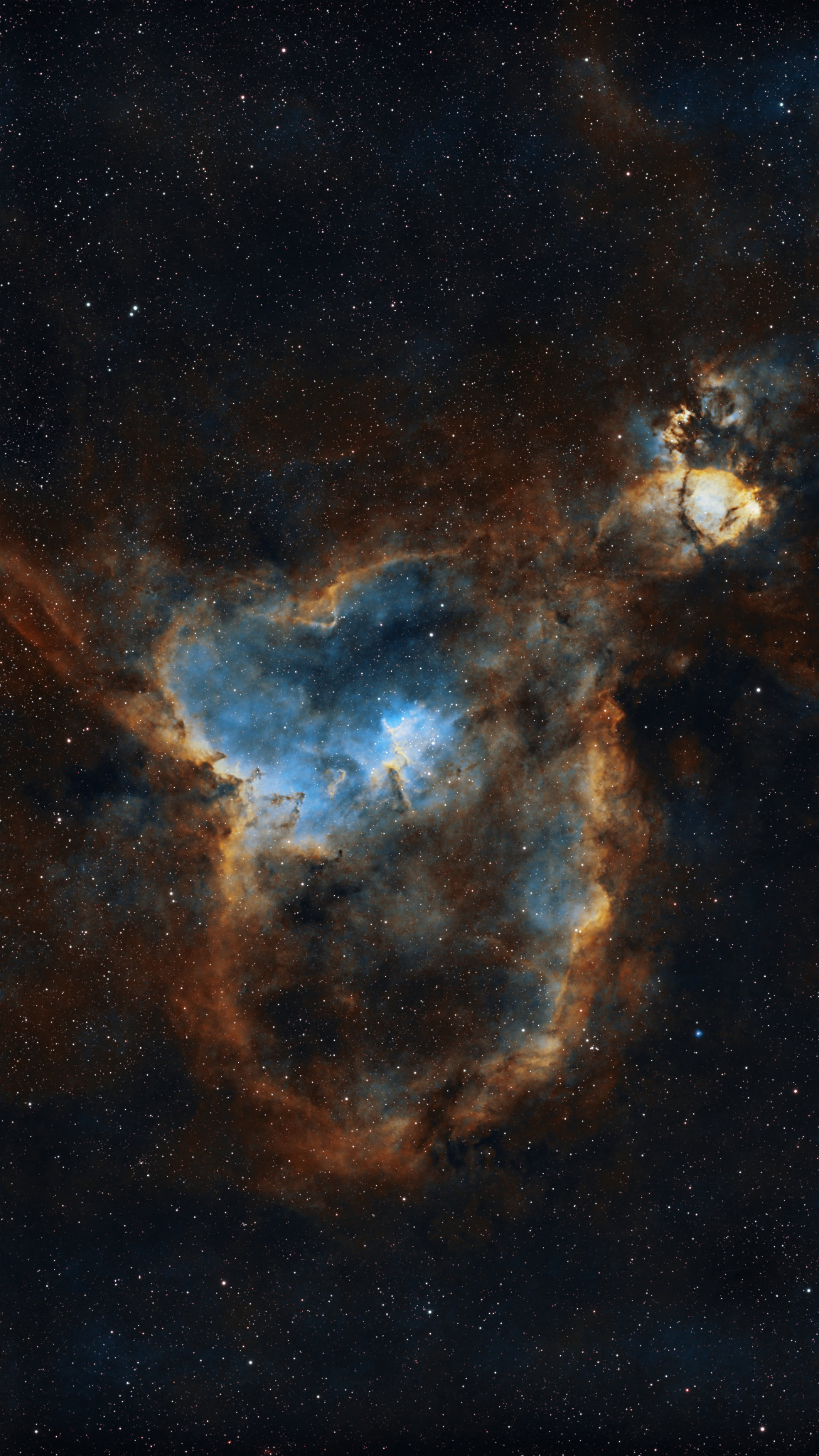
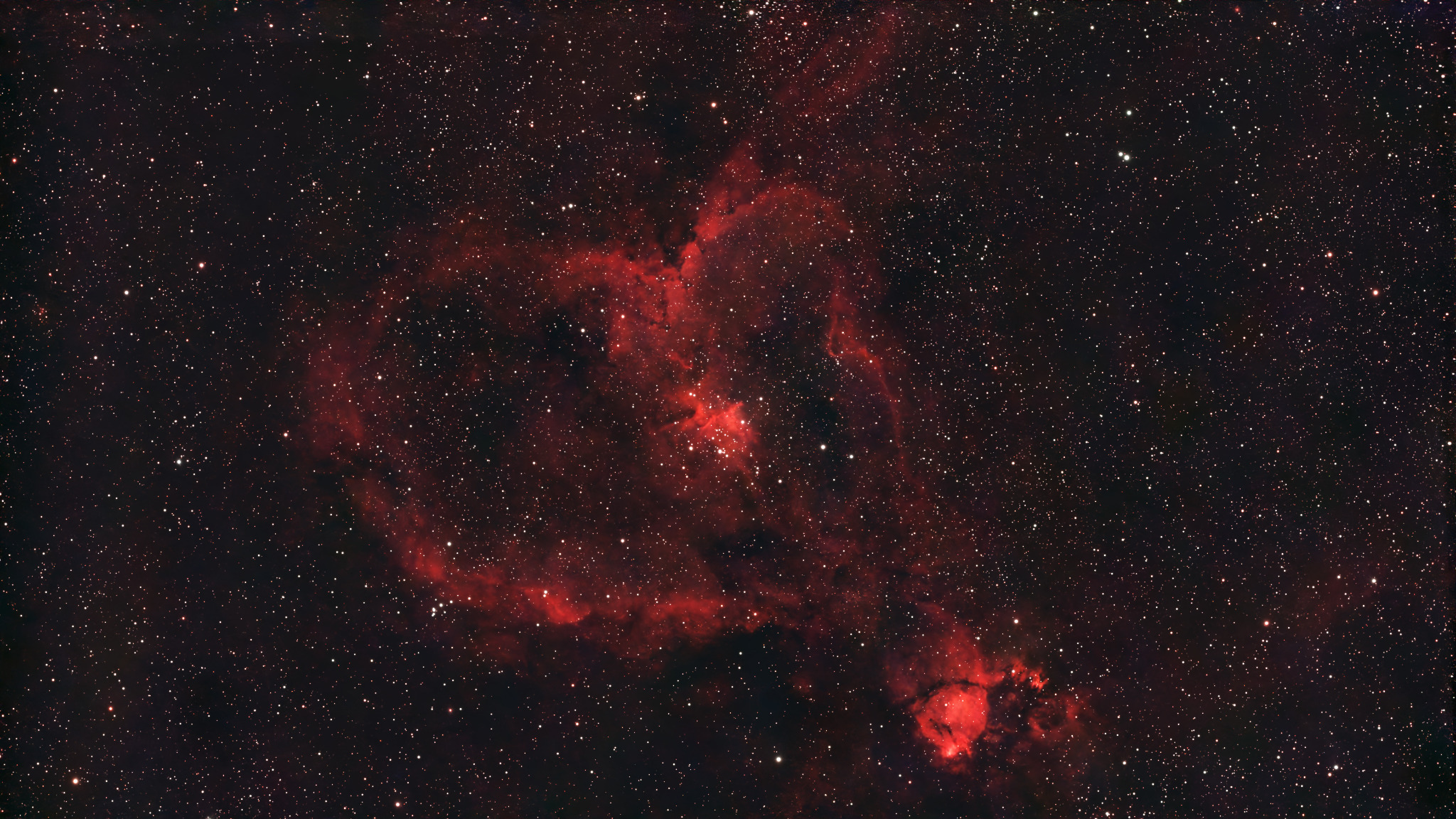
Integration time is king, but a stronger stack is only part of the story. The first Heart Nebula image came from 369 × 60-second exposures—about 6.2 hours—when I was still learning how to process my data. The newer version combines 845 × 60-second exposures with another 348 × 30-second exposures, for almost 17 hours total. That is nearly three times as much integration, and it also reflects the progress I have made learning the tools and making more deliberate processing choices.
More time gives the stack more signal to work with. More practice helps me make better use of it: drawing out structure, balancing color and contrast, and deciding when an image has gone far enough. Seeing the two versions together is a good reminder that the final result grows from both the data collected and what I learn each time I process it.
AstroWizard has been especially useful while learning. It does not offer the same depth of hands-on control over the data as tools such as Siril or PixInsight. Its strength is a structured workflow: each stage has a purpose, and following that sequence has helped me understand what I am doing and why I am doing it at that point. As I learn more, I can bring that understanding into programs that let me work more deeply with the data.
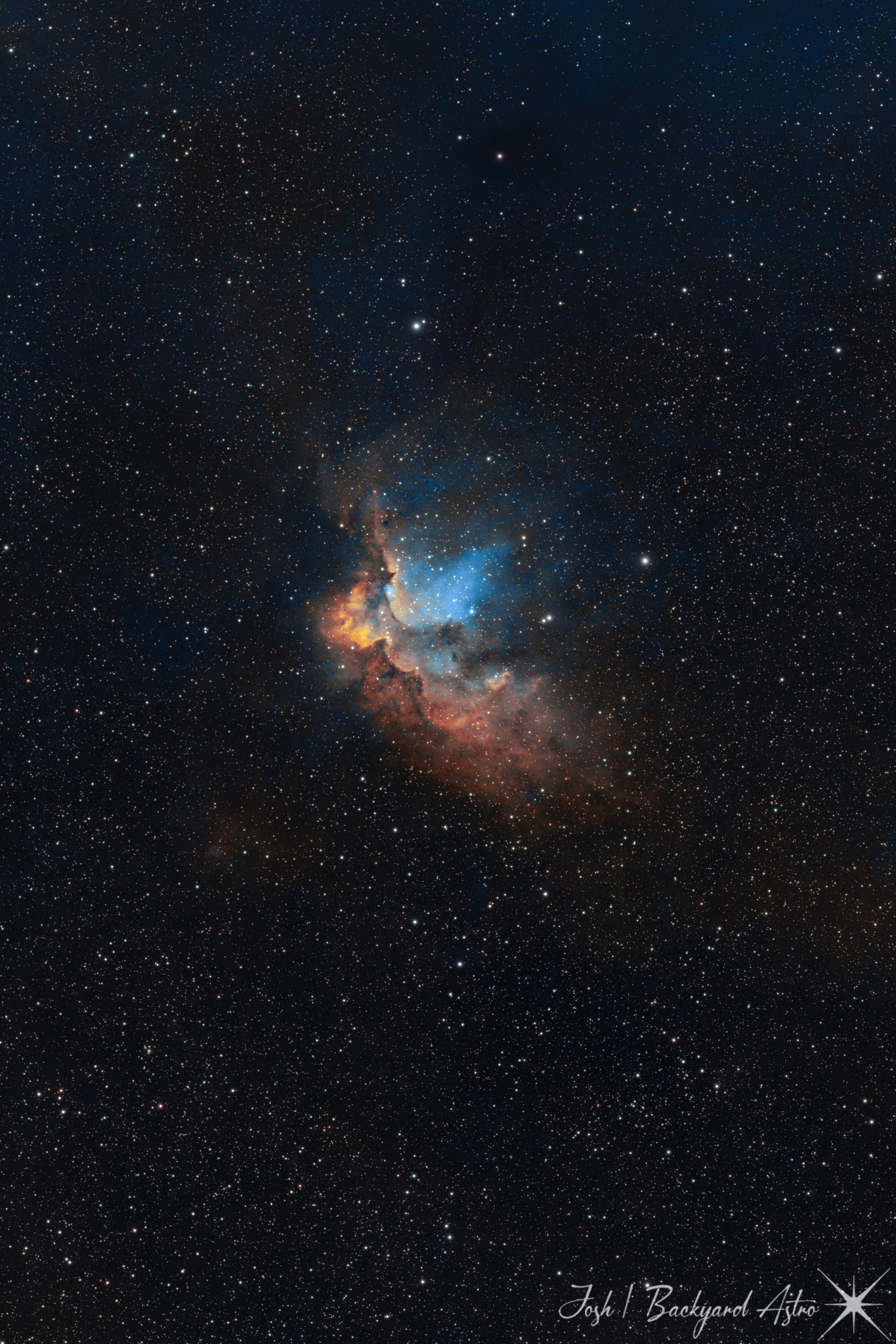
NGC 7380 in Cepheus is a bright emission nebula set among a rich field of stars. This image brings out the glowing clouds surrounding the young star cluster.
NGC 7380 · Cepheus · 2,557 × 30s · about 21.3 hours
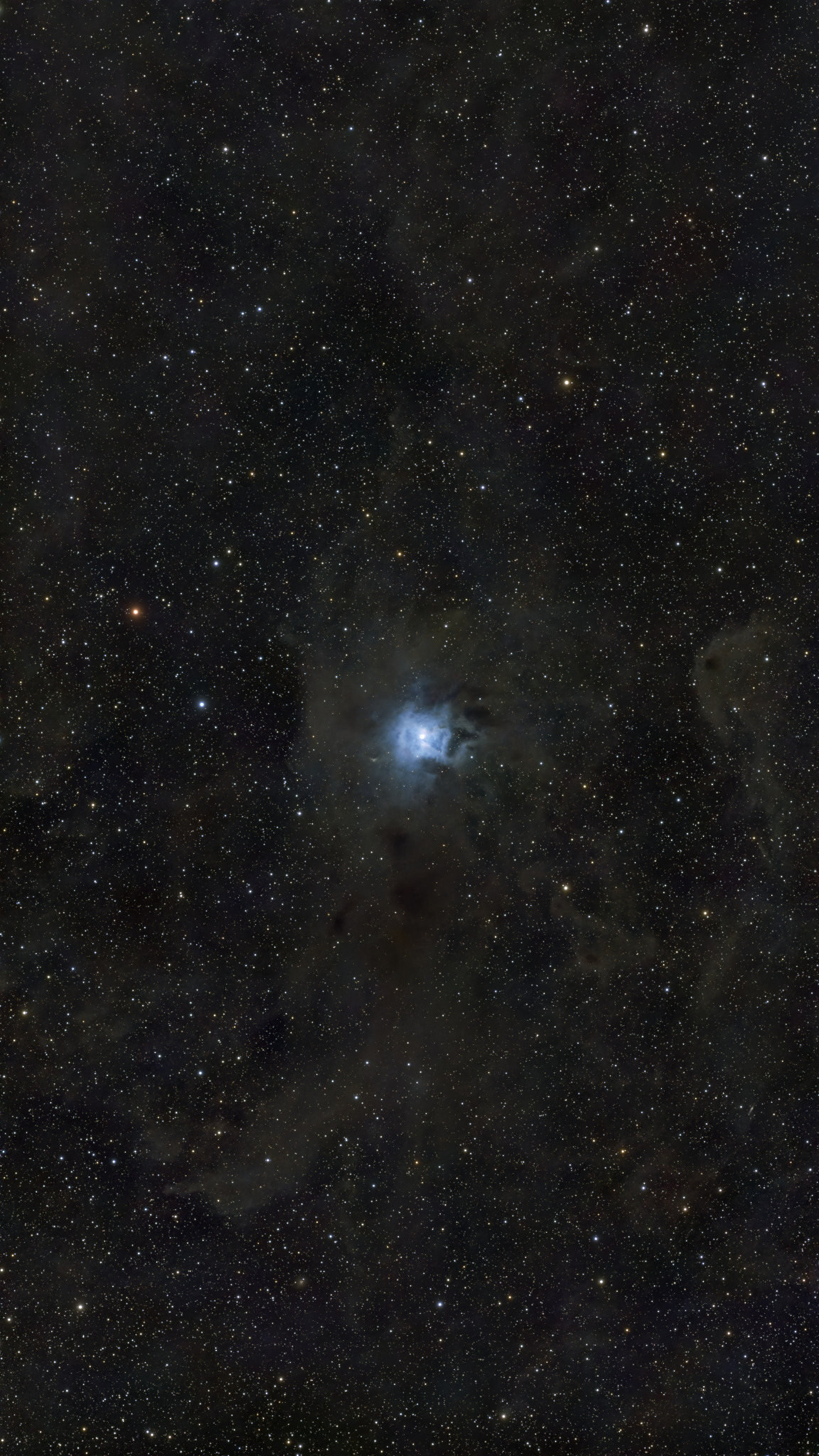
NGC 7023 has a quiet kind of drama. The bright blue reflection light catches your eye first, but the dark dust around it is what gives the scene its shape. After nearly 12.5 hours of 30-second exposures, the challenge was drawing out the faint structure without losing that sense of space around the nebula.
It is a good reminder that a long integration gives me more to work with, but the final balance still comes down to careful choices during processing.
NGC 7023 · Seestar S30 Pro · 1,496 × 30s · StackingWizard + AstroWizard
NGC 281 in Cassiopeia is shown here from 907 frames at 30 seconds each, about 7.6 hours of total exposure. Blue and golden emission stand out against the surrounding star field.
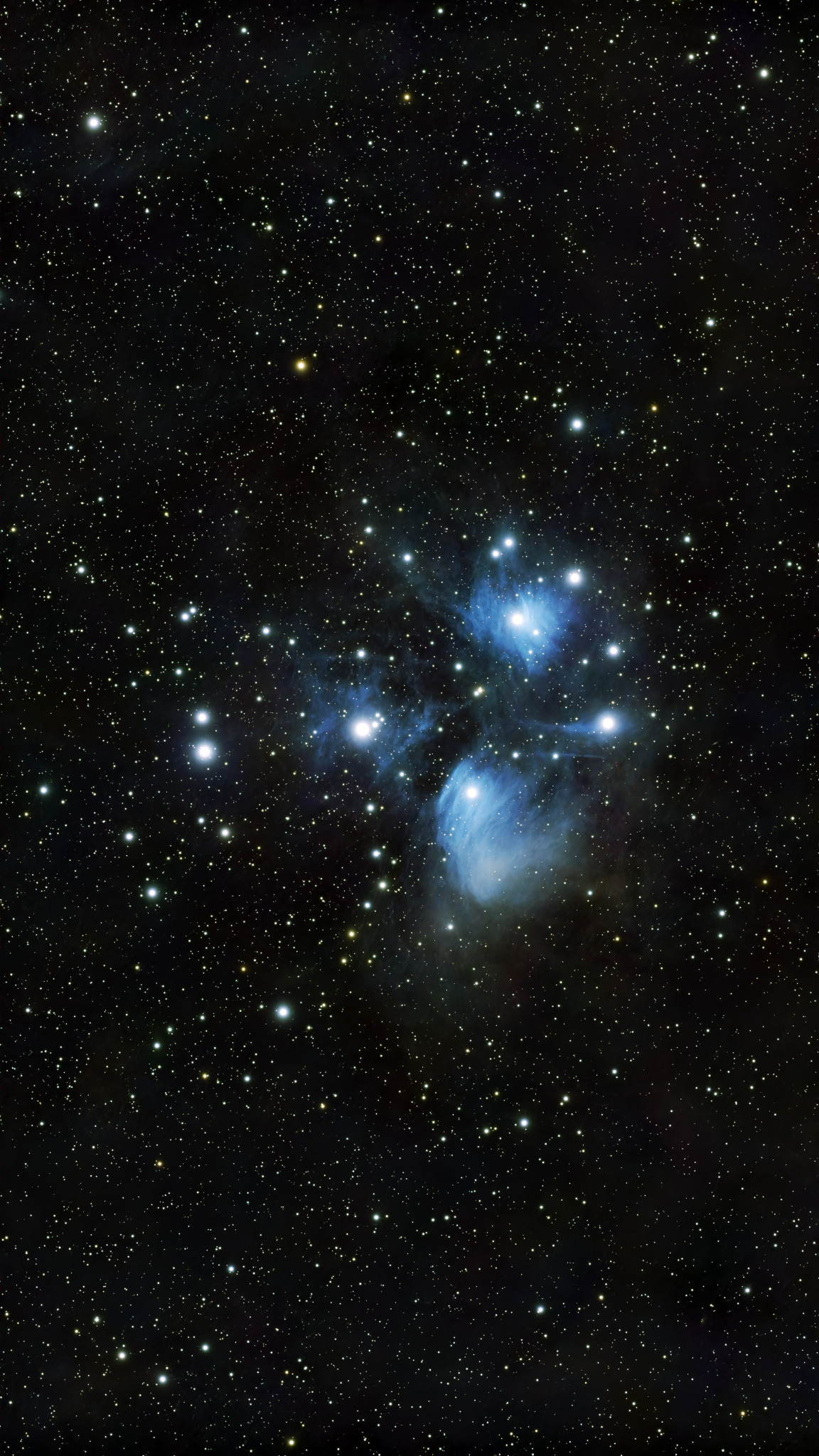
Messier 45 is an open cluster in Taurus, with blue reflection nebulosity around its bright stars. This image combines 234 30-second frames for just under two hours of total exposure.
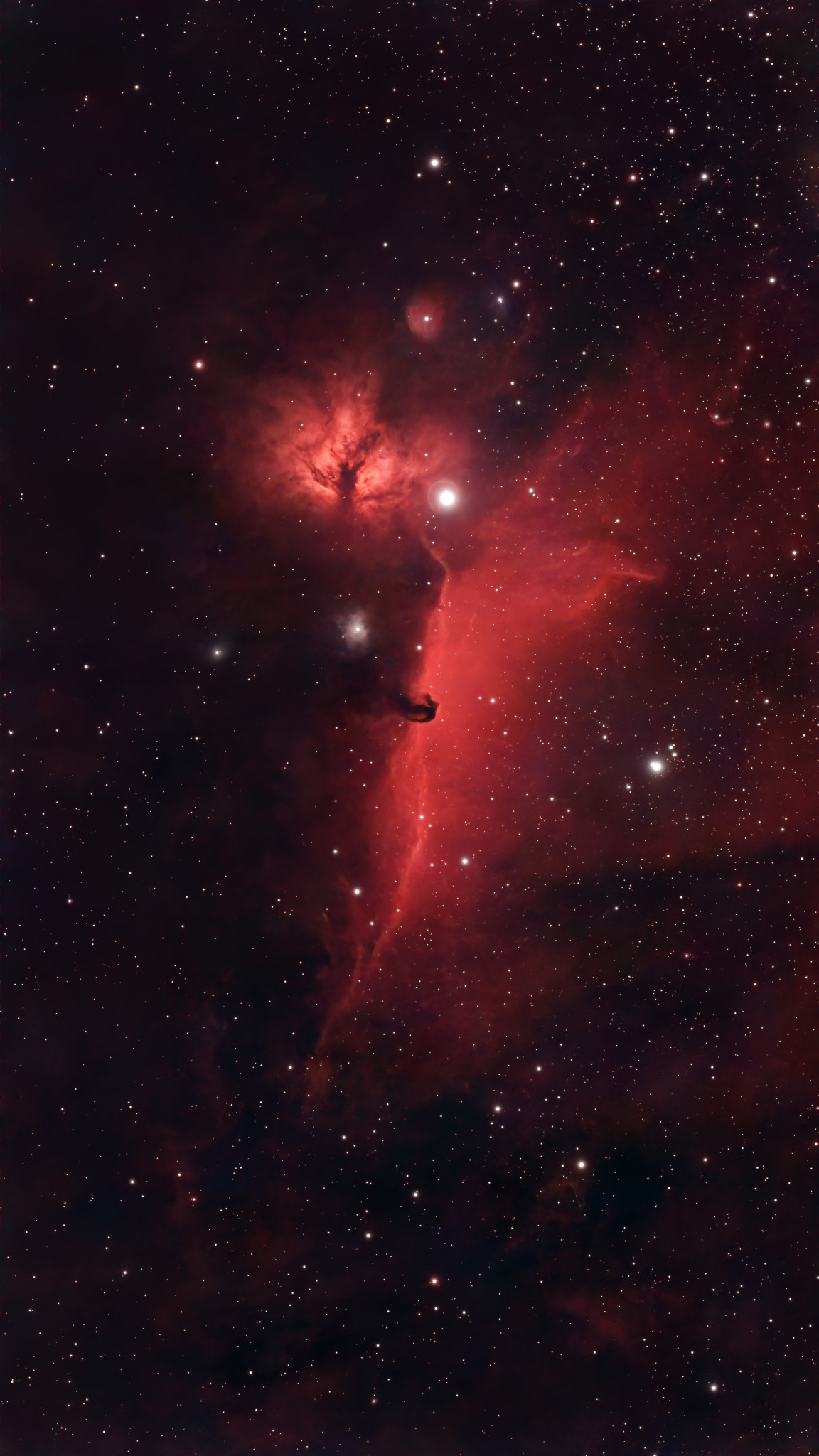
The Horsehead Nebula appears as a dark silhouette against the glowing red emission of IC 434. The Gallery shows two color versions made from the same 278 60-second exposures, for about 4.6 hours of total integration.
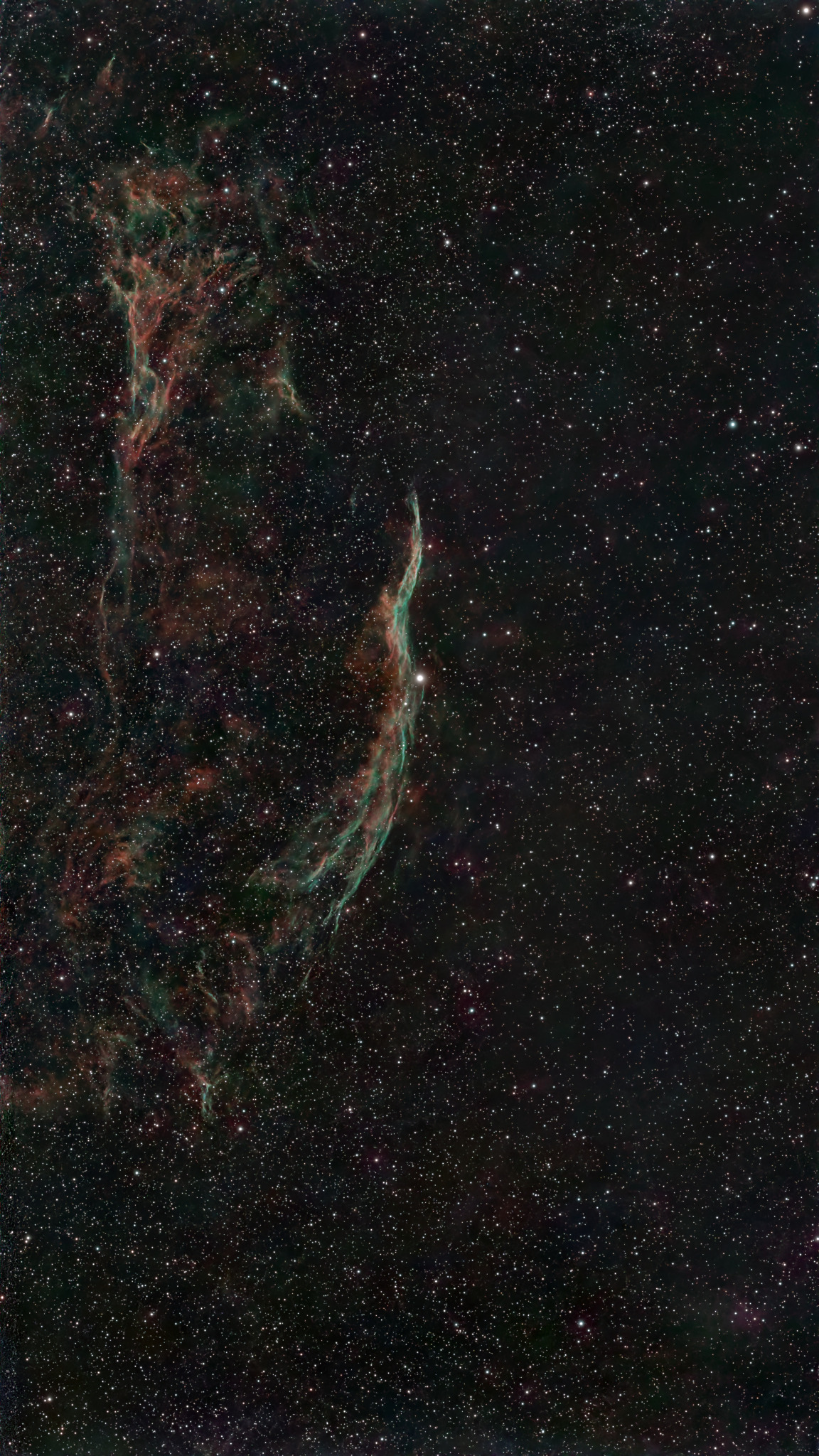
The Western Veil Nebula’s delicate teal and reddish filaments stretch across a dense field of stars. Captured in EQ mode, this image combines 278 60-second exposures, for about 4.6 hours of total integration. The Gallery also includes an SHO color treatment of the same data.
Western Veil Nebula · Cygnus · EQ mode · 278 × 60s · about 4.6 hours
This IC 1805 dataset combines 369 60-second exposures, for about 6.2 hours of total integration. The Gallery shows the color image, a starless view, and a blue-and-gold color treatment of the same data.
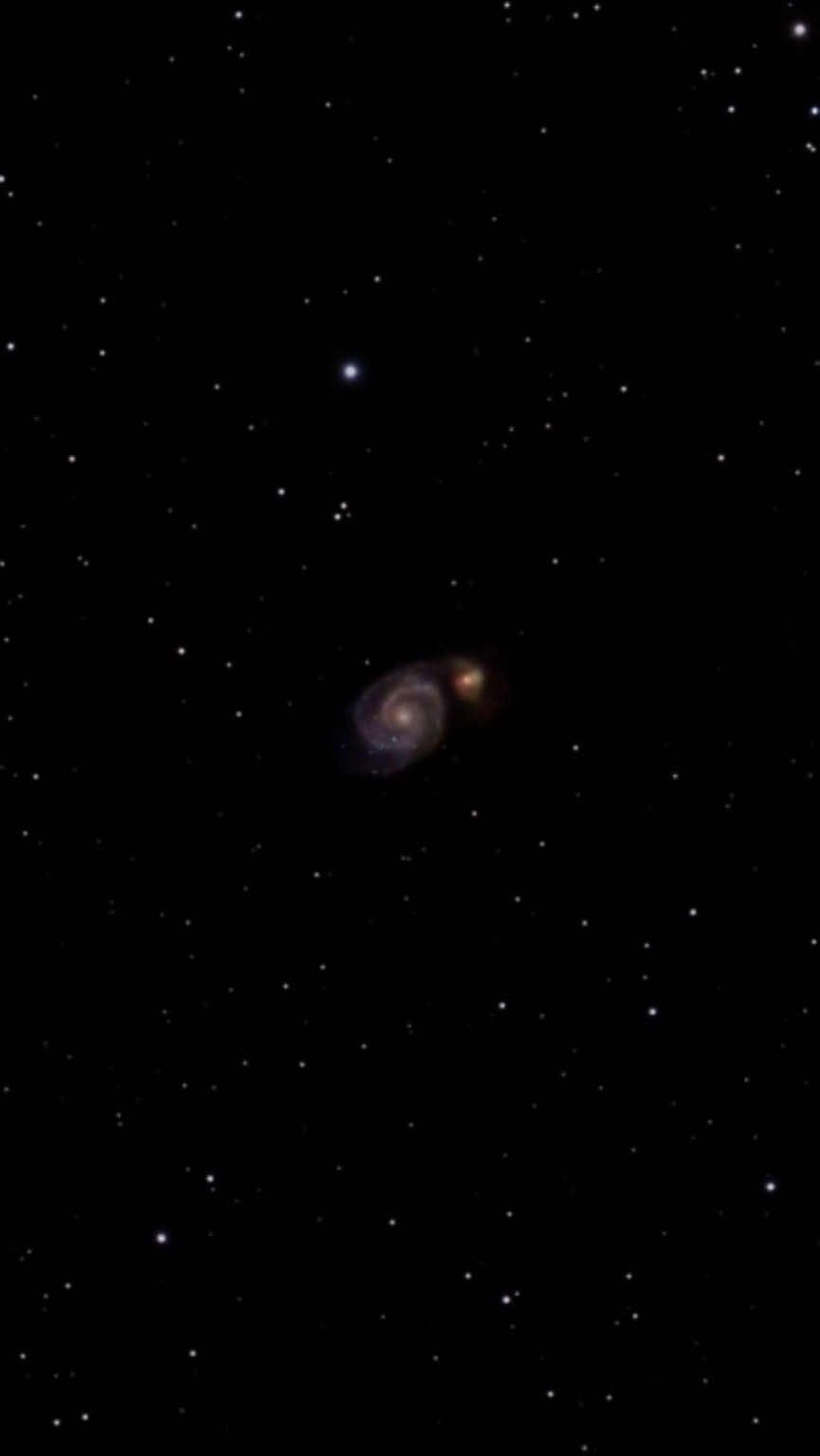
M51, the Whirlpool Galaxy, appears with its nearby companion in a wide field of stars. This image combines 84 × 20-second exposures, for about 28 minutes of total integration.
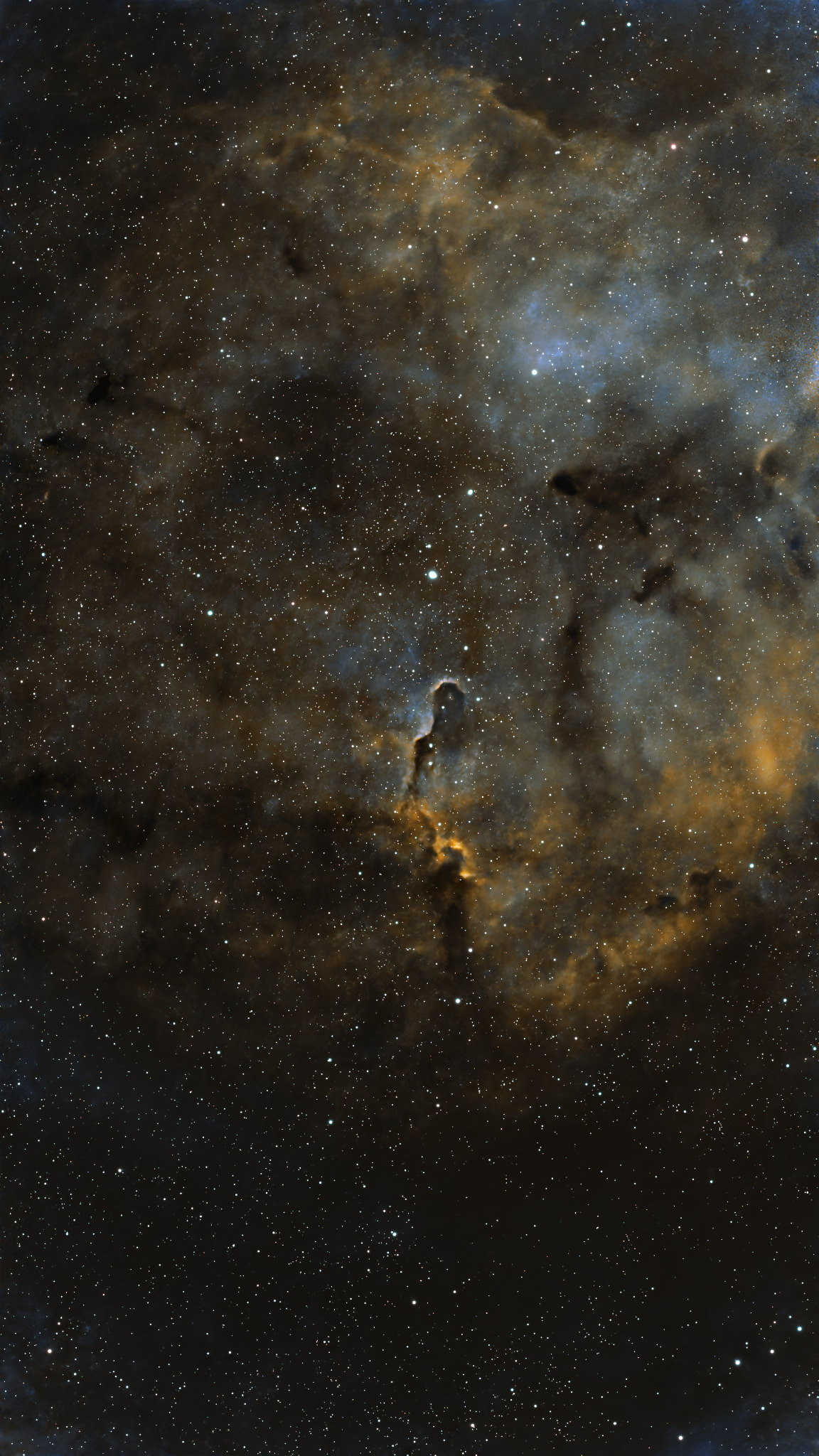
IC 1396A is a dark cloud set against a field of glowing gas and stars. It rewards patience: the silhouette becomes clearer as the faint background structure builds, and the surrounding star field gives the whole image a sense of scale.
This is one of the targets that made me want to keep coming back outside. The first stack is rarely the final image; I revisit the data, try a different stretch, and learn something new about both the target and my own taste.
Astrophotography is equal parts looking up and figuring things out. I started this collection to keep the finished images together, but I also want to remember the little details: how long I captured, what worked, and the decisions that shaped each edit.
If you follow along, you will see the work change over time. That is part of the fun.
 View in GalleryOpen this image and its versions ↗